
Eco-Friendly Plumbing Solutions: Reducing Your Carbon Footprint
Clogged drains are one of the most common plumbing problems homeowners face. They start small, a slow drain, a strange smell, or water pooling in the sink and then suddenly you’re dealing with a full blockage that stops everything. The good news is clogged drains can be avoided with simple habits and regular care. This guide explains what causes clogs, how to spot them early, and what you can do to keep your drains working the way they should.
What Actually Causes Most Clogged Drains?
Clogs don’t happen overnight. They build up over time until water can no longer pass through. Understanding the most common causes helps you avoid them in the first place.
1. Hair Buildup
Hair is the biggest reason bathroom drains get clogged. It wraps around itself and catches soap scum, making a thick, sticky blockage in showers and sinks.
2. Grease and Oils
In the kitchen, grease is the number one cause of clogs. Even if it goes down the drain as a liquid, it cools and hardens inside the pipes. Over time, it builds into a thick layer that traps food scraps.
3. Soap Scum
Soap and minerals in hard water mix together and create a white, chalky buildup. This buildup sticks to the inside of pipes and slowly narrows the space water can flow through.
4. Food Waste
Coffee grounds, rice, pasta, eggshells, and potato peels should never go down the garbage disposal. They expand, get sticky, or turn into a heavy sludge.
5. Flushable Wipes (Not Really Flushable)
Many products say “flushable,” but they don’t break down in water. They create huge blockages inside the main sewer line.
6. Hard Water Mineral Deposits
If you live in an area with hard water, minerals like calcium and magnesium leave behind thick deposits inside pipes. These deposits shrink the pipe space and cause frequent slow drains.
7. Tree Roots
Outside, tree roots can enter underground pipes through tiny cracks. Once inside, they grow quickly and block the flow of water.
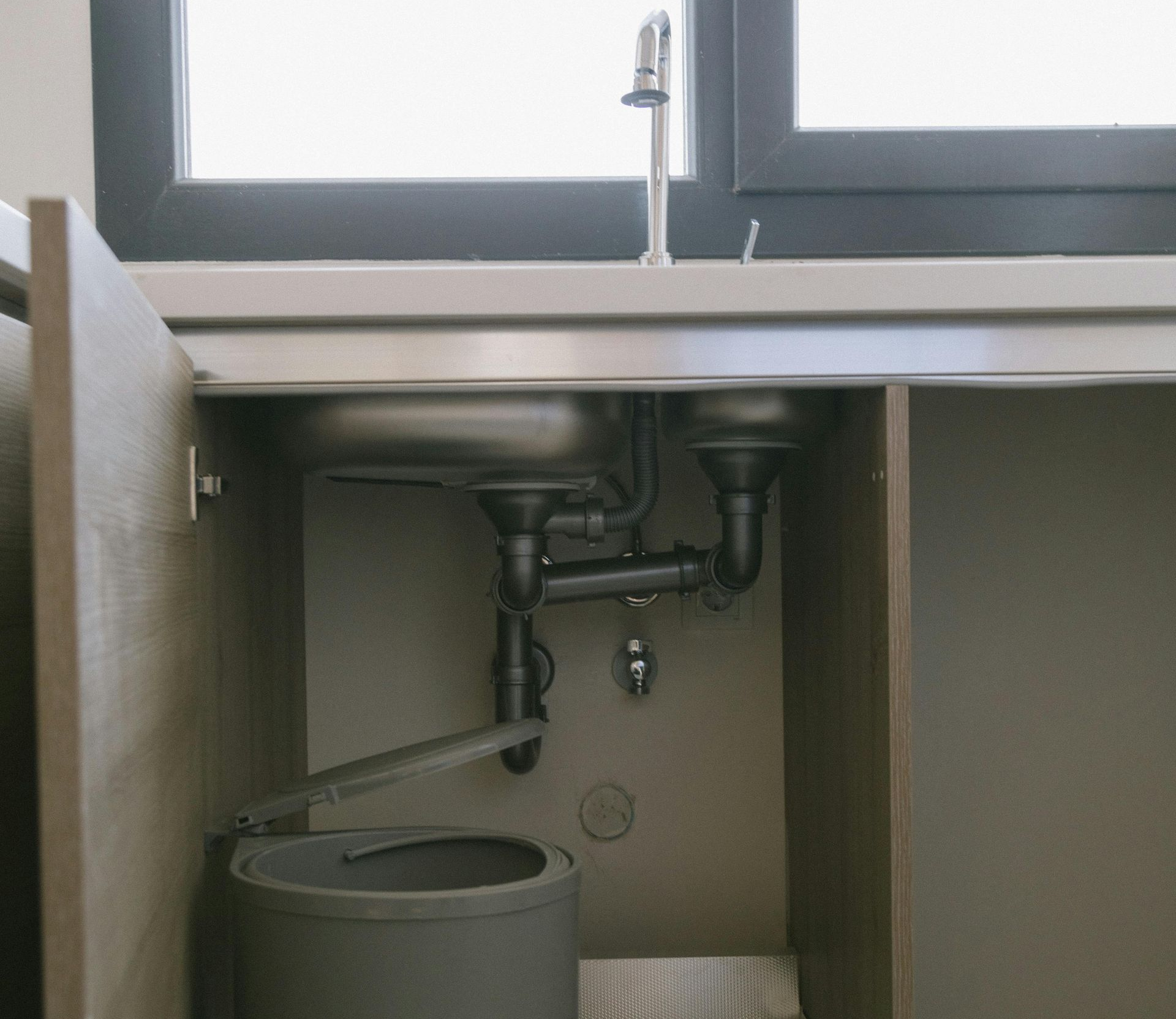
Early Warning Signs Your Drain Is About to Clog
Most clogs give you warning signs before they completely block the drain. Catching problems early saves you time, money, and stress.
Slow Draining Water
If water takes longer than usual to go down, something is already forming inside the pipe.
Strange Smells
Rotting food, trapped hair, or grease can create a foul smell coming from the drain.
Gurgling Noises
Gurgling means air is getting trapped in the pipes. That’s usually a sign of a growing clog.
Water Backups
If water comes back up through a sink, tub, or shower, a blockage is likely sitting deeper in the line.
How to Clear Minor Clogs Safely
You don’t always need chemicals or expensive tools to fix small clogs. Here are some safe ways to clear them.
Use a Drain Snake
A simple hand snake can grab hair and debris before it becomes a bigger issue.
Try Boiling Water
Pouring boiling water slowly down a kitchen drain can help melt grease buildup. (Avoid this on toilets or PVC pipes.)
Use a Plunger
A plunger works on sinks just like it does on toilets. A few firm pushes can loosen a small blockage.
Mix Baking Soda and Vinegar
This natural method is gentle and helps break down soap scum inside the drain.
When NOT to DIY
Skip chemical drain cleaners. They can melt pipes, damage fixtures, and create future problems. If you’ve tried the basic steps and the drain is still clogged, it’s time to call a professional.
How to Keep Your Drains Running Smoothly
Prevention is the easiest way to avoid clogged drains and expensive plumbing repairs. These simple habits make a huge difference.
1. Use Drain Screens
Hair catchers in showers and sinks stop hair before it goes down the drain.
2. Never Pour Grease Down the Drain
Instead, collect grease in a jar and throw it in the trash when it cools.
3. Run Hot Water After Each Use
Letting hot water run for 10–15 seconds keeps oils and soap from settling.
4. Clean Your Stoppers Weekly
Sink and tub stoppers collect hair, soap, and gunk. Cleaning them regularly helps prevent buildup.
5. Watch What You Put in the Garbage Disposal
Safe items:
- Soft foods
- Small scraps
- Cold water while grinding
Avoid:
- Rice
- Pasta
- Coffee grounds
- Eggshells
- Fibrous foods like celery
6. Install a Water Softener
If you have hard water, minerals will build up inside your pipes. A water softener keeps minerals from sticking and helps your plumbing last longer.
7. Schedule Professional Drain Cleaning
Even clean pipes need routine maintenance. A yearly drain cleaning removes buildup before it becomes a clog.
How Hard Water Makes Clogs Worse
Homes with hard water deal with more plumbing problems. Hard water minerals leave behind chalky deposits that narrow the inside of pipes. When pipes get smaller, things like hair, grease, and soap scum get trapped more easily. Over time, this creates stubborn clogs that homeowners can’t clear on their own.
Installing a water softener protects your pipes, fixtures, and appliances and it helps prevent clogged drains altogether.
When to Call a Professional Plumber
Some clogs are too deep or too severe for home fixes. Call a plumber if you notice:
- Frequent backups in multiple drains
- Sewage smells
- Water pooling outside near sewer lines
- Gurgling in toilets when sinks are running
- Slow drains even after cleaning
These signs often mean there’s a major blockage in the main line, which needs professional equipment to remove safely.
A licensed plumber can diagnose the problem, clear the blockage, and suggest ways to prevent it from happening again.
Healthy Drains Make a Healthy Home
Clogged drains are annoying, stressful, and sometimes messy, but you can prevent most of them with a few simple habits. By watching what goes down your drains, cleaning stoppers regularly, avoiding grease, and keeping an eye out for early warning signs, your drains can stay clear and smooth.
And when a clog becomes too much to handle, having a trusted plumber makes all the difference. A quick call can save you time, money, and a whole lot of frustration.
Blog
Book a Service Today
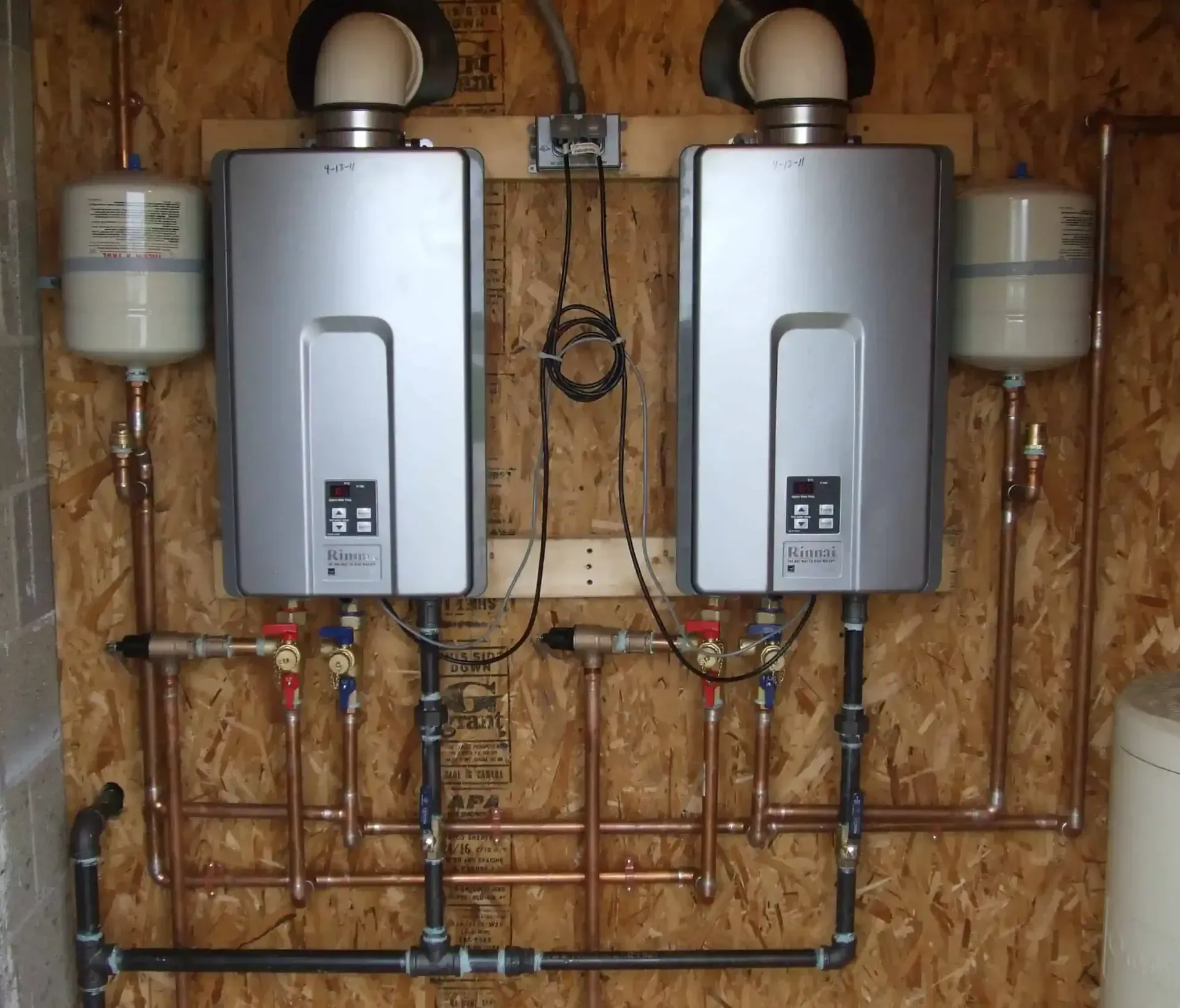
For more info on water softeners, water heaters and tankless water heaters Idaho Residents need, contact us today.