
Eco-Friendly Plumbing Solutions: Reducing Your Carbon Footprint
Water Softener 101: How It Works, What It Costs, and When Homeowners Should Upgrade
If you’re tired of dry skin, spotty dishes, and crusty buildup on every faucet, you’re not alone. Hard water is a common problem for homeowners, especially here in Idaho. Understanding how water softeners work and when it’s time to upgrade can save you money, protect your plumbing, and make everyday life feel easier. Consider this your simple guide to everything you need to know about water softeners in Boise.
Understanding What a Water Softener Does
What Hard Water Really Means for Homeowners
Hard water happens when your water contains high levels of minerals like calcium and magnesium. These minerals leave behind that chalky white film on dishes, shower doors, and fixtures. They also dry out your skin and hair and make your appliances work harder than they should.
Water softeners help remove these minerals so your water feels cleaner, smoother, and easier on your home.
Why Hard Water Is a Bigger Problem in Idaho
While hard water exists almost everywhere, Idaho, especially the Boise area, sees higher mineral levels than many other states. That’s why so many homeowners search for a water softener in Boise. The harsh mineral content affects everything from your water heater to your laundry, which makes installing a softener a smart investment for most homes in the area.
How a Water Softener Works (Simple Breakdown)
The Ion Exchange Process Explained in Plain Language
Inside a water softener, there’s a tank filled with tiny resin beads. These beads grab onto the “hard” minerals and replace them with softer ones like sodium. This exchange is what turns hard water into soft water.
Some systems use salt, while others use salt-free technology. Both have their benefits, and the best choice depends on your home’s needs.
Key Components Inside a Water Softener System
A standard system has three main parts:
- Resin tank – where the softening happens
- Brine tank – holds salt and creates brine for cleaning the resin
- Control valve – manages water flow and regeneration cycles
During a professional water softener installation, these parts are set up to work perfectly with your home’s plumbing.
What a Water Softener Fixes and What It Doesn’t
A water softener handles minerals, but it doesn’t remove chemicals or bacteria. If your water supply has taste issues, odor problems, or contaminants, you may need a water filter in addition to a softener. Many homeowners use both for healthier, better-tasting water.
What Homeowners Should Expect to Pay
Average Cost of Water Softener Installation
Most water softener installations fall between moderate and high depending on:
- System size
- Type of softener
- How complex your home plumbing is
- Brand and efficiency
A licensed plumber can walk you through options and help you choose a system that fits your budget.
Yearly Maintenance Costs
Water softeners are low-maintenance. Most homeowners only need to:
- Add salt every few months
- Clean the brine tank annually
- Replace the resin every 10–15 years
These small costs help your system last longer and run more efficiently.
How a Water Softener Saves Money Long-Term
Even though there’s an upfront investment, water softeners often pay for themselves by:
- Protecting your water heater
- Preventing clogged pipes
- Making appliances last longer
- Reducing soap and detergent use
- Helping shower heads and faucets stay cleaner
Soft water can even lower energy bills because your appliances don’t have to fight mineral buildup.
When Homeowners Should Upgrade Their Water Softener
Signs Your System Is Struggling
Here are the top signs it may be time for a new system:
- Water spots start coming back
- Soap doesn’t lather like it used to
- Your softener runs constantly
- You’re adding salt too often
- Clothes feel stiff again
If you notice any of these, your system might be wearing down.
How Long Water Softeners Last
Most systems last 10–15 years, but it depends on how hard your water is and whether the system has been maintained. Older units usually work harder, use more salt, and deliver less consistent softening.
Choosing the Right Water Softener for Your Home
A few things to consider when picking a new system:
- Home size
- Number of people in the home
- Daily water usage
- Water hardness level
A professional can test your water and recommend the right setup. Using the right size softener helps avoid wasted energy and ensures you get steady soft water throughout your home.
Why Professional Installation Matters
Benefits of Using a Licensed Plumber
DIY videos make installation look easy, but hooking up a water softener requires experience. A licensed plumber ensures:
- Proper tank placement
- Correct connection to the main water line
- Balanced water pressure
- No leaks or cross-connections
- Accurate programming
A proper install also protects your warranty.
What Happens During a Water Softener Installation
A pro usually:
- Reviews water hardness levels
- Selects the best spot for the system
- Connects the tanks to your plumbing
- Tests pressure and flow
- Programs the softener settings
- Makes sure everything runs smoothly
The whole appointment often takes just a few hours.
Why DIY Can Create Bigger Problems
A small mistake can cause:
- Leaks
- Water pressure issues
- Resin tank failure
- Voided warranties
- Even flooding
Professional installation keeps your system safe and reliable from day one.
Helping Boise Homeowners Solve Hard Water for Good
If you’re dealing with hard water and need a reliable water softener in Boise, installing the right system can make a big difference. It protects your home, saves you money, and improves your daily comfort.
Ready to Schedule a Water Test or Installation?
If your current system isn’t keeping up or you’re thinking about getting one for the first time, now is a great time to take action. A quick water test can help you find the best solution for your home. Professional installation ensures your system works the way it should from day one.
Blog
Book a Service Today
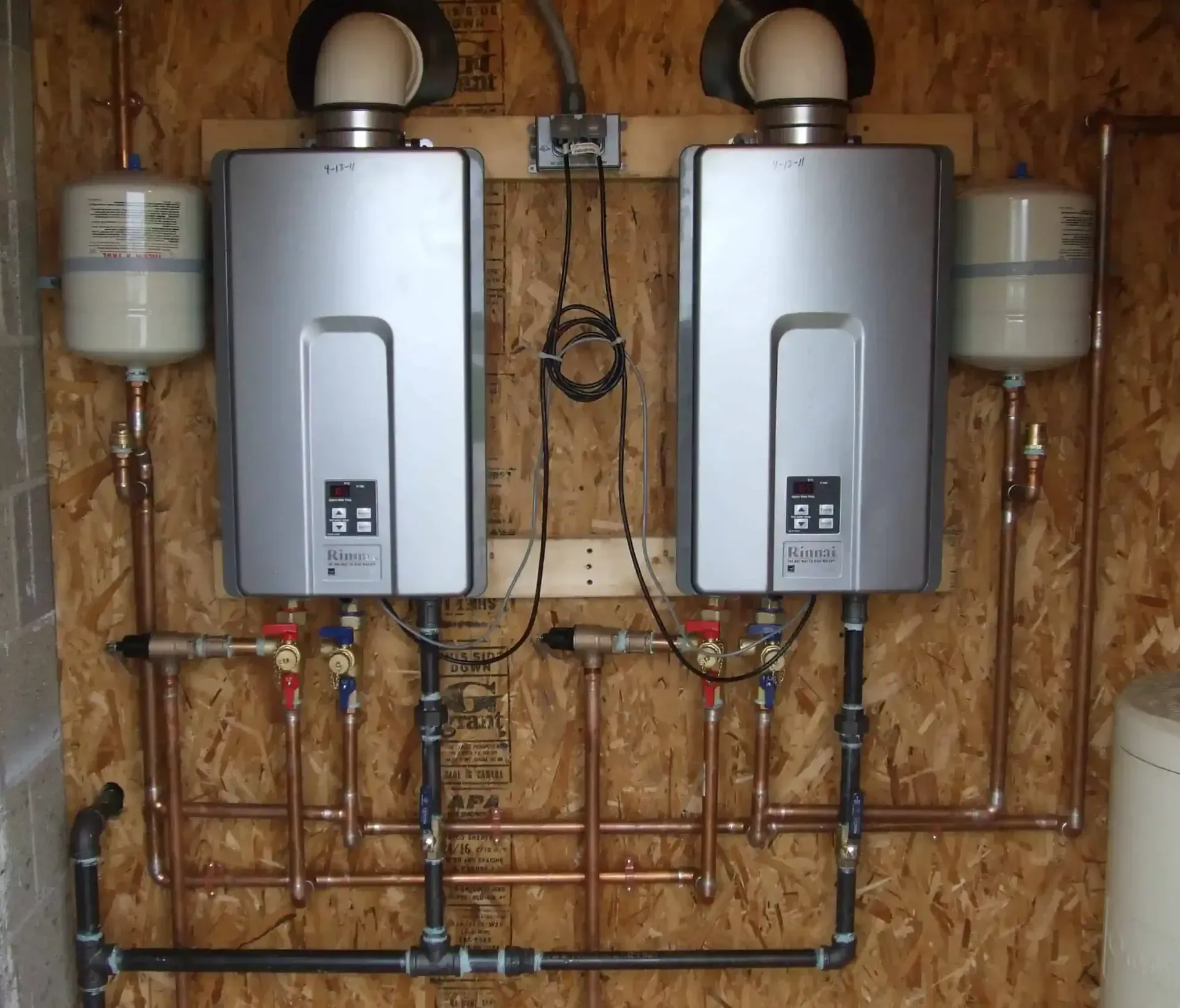
For more info on water softeners, water heaters and tankless water heaters Idaho Residents need, contact us today.