

Eco-Friendly Plumbing Solutions: Reducing Your Carbon Footprint
Low water pressure is one of the most frustrating plumbing issues a homeowner can face. It makes showers less enjoyable, sinks harder to use, and appliances like dishwashers and washing machines less effective. The good news? Most water pressure problems come from simple causes, and many can be solved without major repairs. This guide walks you through the most common reasons for low water pressure and the eight fixes every homeowner should know.
What Causes Low Water Pressure?
Before you can fix the problem, it helps to understand why water pressure drops in the first place. Your home’s plumbing system works like a network of roads. If something slows down or blocks the flow anywhere, you’ll feel it throughout the house.
Common causes include:
- Mineral buildup inside pipes
- Partially closed shut-off valves
- Leaking pipes
- Problems with your pressure regulator
- Faulty fixtures
- Hard water scaling
- Water heater issues
- Municipal supply problems
Some of these are easy to handle on your own. Others need a licensed plumber to diagnose and repair them safely.
Fix No. 1: Check Your Home’s Main Shut-Off Valve
The main shut-off valve controls the water flow into your entire house. If it’s even a little closed, your water pressure will drop.
What to do:
- Locate the valve (usually near the water meter, garage, basement, or outside).
- Make sure it's fully open by turning it counterclockwise.
- Try running water in a faucet to see if pressure improves.
This fix takes less than a minute and solves the problem more often than people expect.
Fix No. 2: Clean or Replace Clogged Aerators
Faucet aerators and showerheads collect minerals and debris over time. When they clog, water can only trickle through.
How to clean an aerator or showerhead:
- Unscrew it from the fixture.
- Soak it in vinegar for 30-60 minutes.
- Scrub with a toothbrush.
- Rinse and reattach.
If your water is very hard, this buildup happens faster and a water softener can help prevent it.
Fix No. 3: Flush Your Water Heater
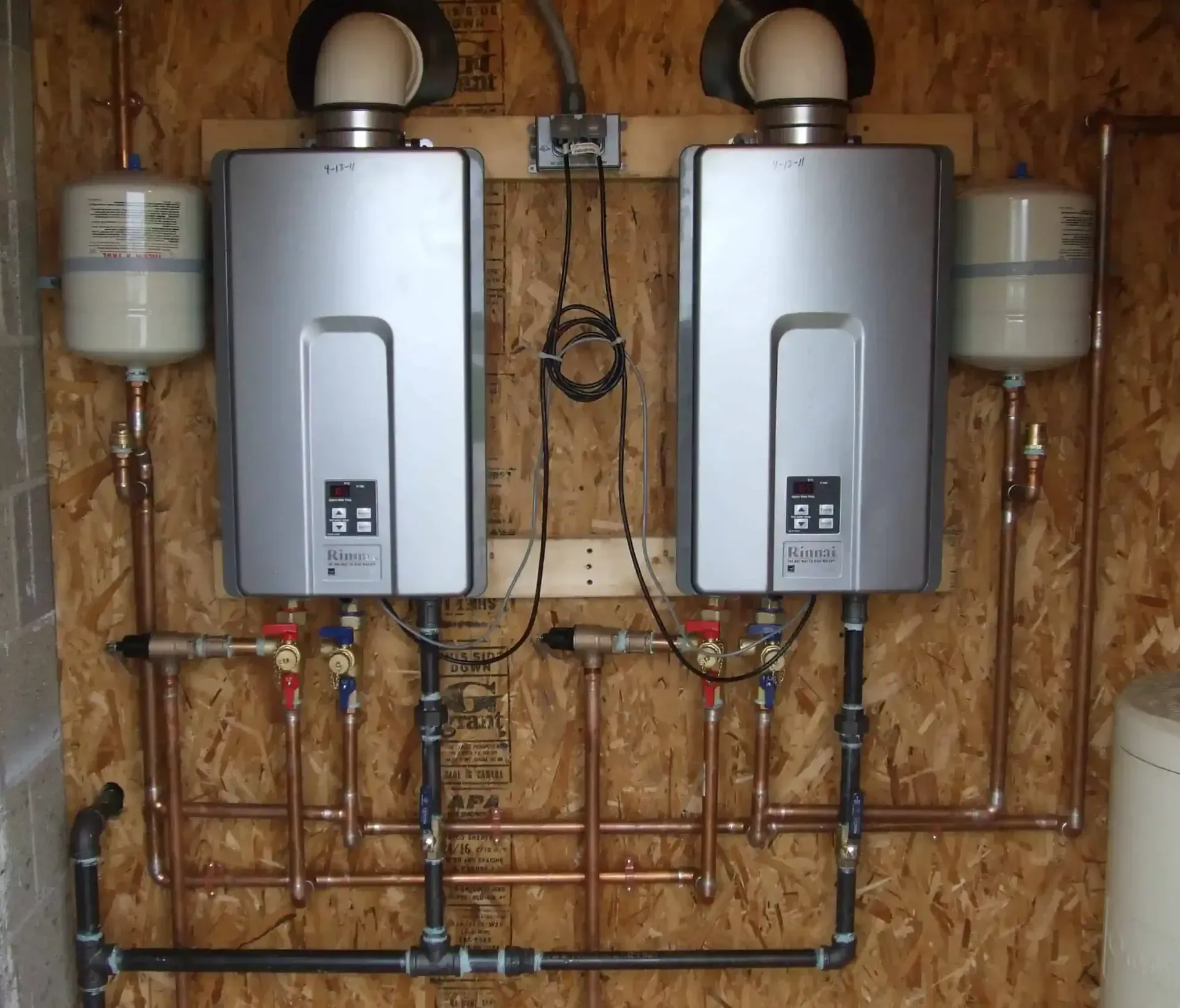
When your hot water pressure is low but cold water pressure is normal, the water heater is often the cause. Sediment collects at the bottom of the heater, blocking the flow.
Signs your water heater needs flushing:
- Takes a long time to heat
- Makes rumbling or popping noises
- Hot water pressure is lower than cold water
A plumber can flush your tank to remove built-up sediment. This not only helps water pressure but also increases your water heater’s lifespan.
Fix No. 4: Look for Leaks in Your Plumbing System
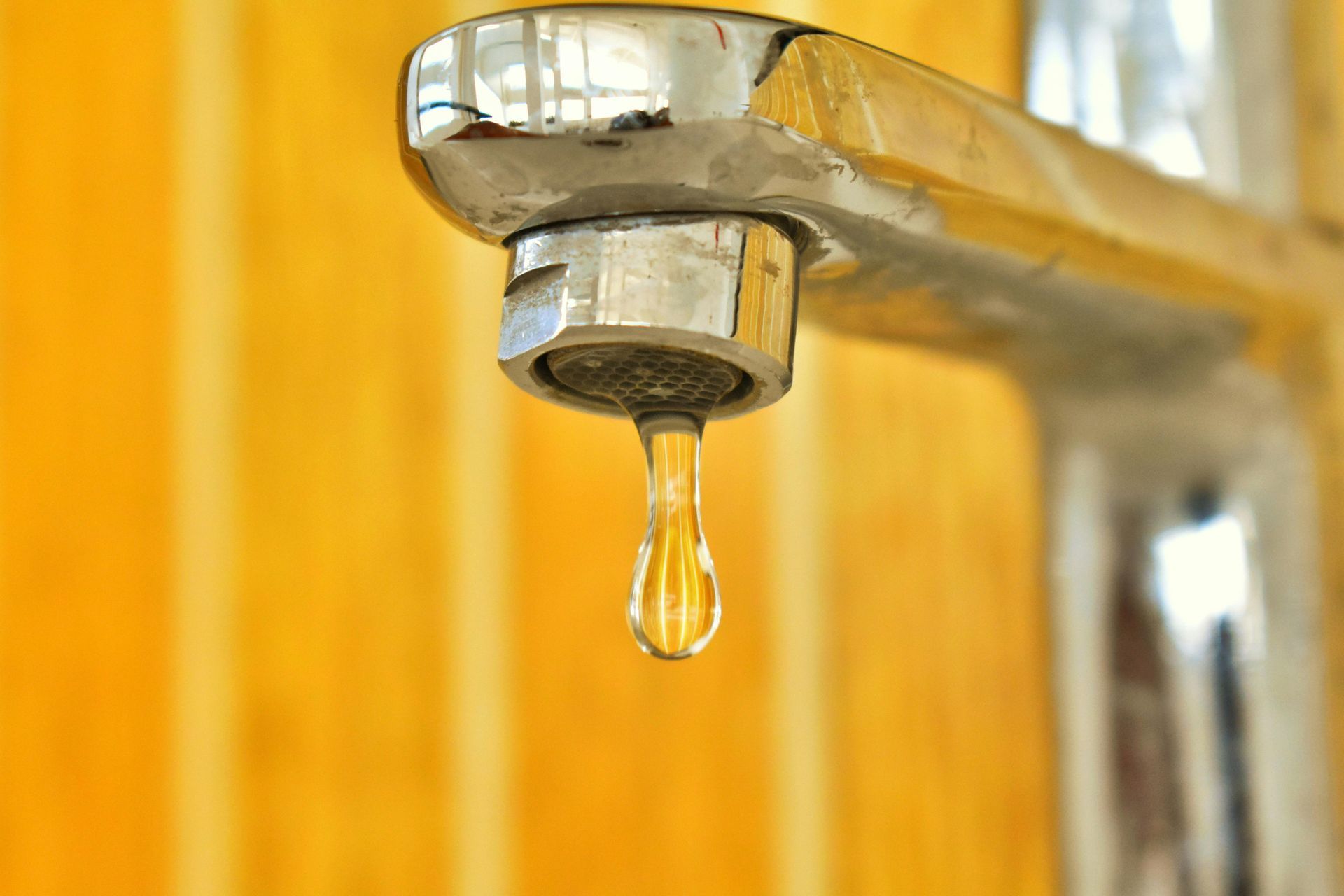
Even a small leak can cause a big drop in water pressure. Leaks let water escape before it reaches your fixtures.
What to check:
- Wet spots on walls, ceilings, or floors
- Soft patches in your yard
- Higher-than-normal water bills
- Mold or mildew smells
If you suspect a leak, turn off all water in the house. Then check the water meter. If it’s still moving, there’s a leak somewhere and it needs a professional repair right away.
Fix No. 5: Inspect Your Pressure Regulator
Many homes have a pressure-reducing valve (PRV) near the main water line. Its job is to control how much pressure enters your home.
When a PRV goes bad, you might notice:
- Sudden low pressure everywhere
- Pressure that changes throughout the day
- Noisy pipes
A faulty regulator isn’t something to DIY. A plumber should test and replace it if needed.
Fix No. 6: Clear Mineral Buildup in Pipes
Homes with hard water often deal with mineral deposits inside their pipes. Over time, these deposits narrow the pipe openings, slowing the flow of water.
Common signs include:
- Gradual decrease in pressure over months or years
- White, chalky buildup on faucets
- Reduced hot water pressure
Installing a water softener is the number one way to reduce scaling and protect your pipes long-term.
Fix No. 7: Check for Issues With a Single Fixture
If only one faucet or shower has low pressure, the fixture itself may be failing.
Possible causes:
- Worn-out cartridges
- Broken valve stems
- Aging fixtures
- Blocked flow restrictors
Replacing a fixture is usually simple and affordable and can instantly restore good pressure.
Fix No. 8: Call Your Water Provider (It Might Not Be Your House!)
Sometimes low water pressure comes from issues outside your home, such as:
- Municipal line repairs
- Fire hydrant testing
- Heavy neighborhood water use
A quick call to your water provider can confirm whether the problem is temporary.
Bonus Tip: How a Water Softener Helps Your Water Pressure
Hard water is one of the biggest reasons pressure drops over time. When minerals build up inside pipes, fixtures, and your water heater, everything slows down.
A water softener:
- Reduces scale buildup
- Protects your pipes
- Helps faucets and showerheads last longer
- Keeps water heaters running efficiently
If you live in an area with very hard water (like many parts of Arizona), a softener is one of the best long-term solutions.
When to Call a Professional Plumber
DIY fixes are great, but some situations need expert attention. Call a plumber if you notice:
- Sudden pressure loss throughout the home
- Water stains or signs of leaks
- No hot water
- Rusty or dirty water
- Low pressure even after trying several fixes
- Whistling, banging, or noisy pipes
A licensed plumber can test your system, find the root cause, and recommend the best repair.
Better Pressure Starts With Smart Maintenance
Low water pressure is annoying, but it doesn’t have to ruin your day. Understanding the common causes and knowing how to fix them helps you stay in control. With simple maintenance and quick action, you can keep your water flowing strong.
And when you need expert help, Veterans Plumbing Corp is always ready to diagnose, repair, and restore your home’s water system.
Blog
Book a Service Today
For more info on water softeners, water heaters and tankless water heaters Idaho Residents need, contact us today.