
Eco-Friendly Plumbing Solutions: Reducing Your Carbon Footprint
Plumbing emergencies never happen at a good time. One minute everything is fine, and the next you’re dealing with a burst pipe, an overflowing toilet, or water pouring across your floor. When that happens, knowing what to do in the first few minutes can save you thousands of dollars in repairs. This guide walks you through simple, calm steps that help protect your home and make your plumber’s job easier.
Understanding What Counts as a Plumbing Emergency
Not every plumbing problem is an emergency, but some issues need fast action. A plumbing emergency is anything that causes major water damage, creates a health risk, or stops your home from running normally.
Common Plumbing Emergencies
- Burst or leaking pipes
- Overflowing toilets
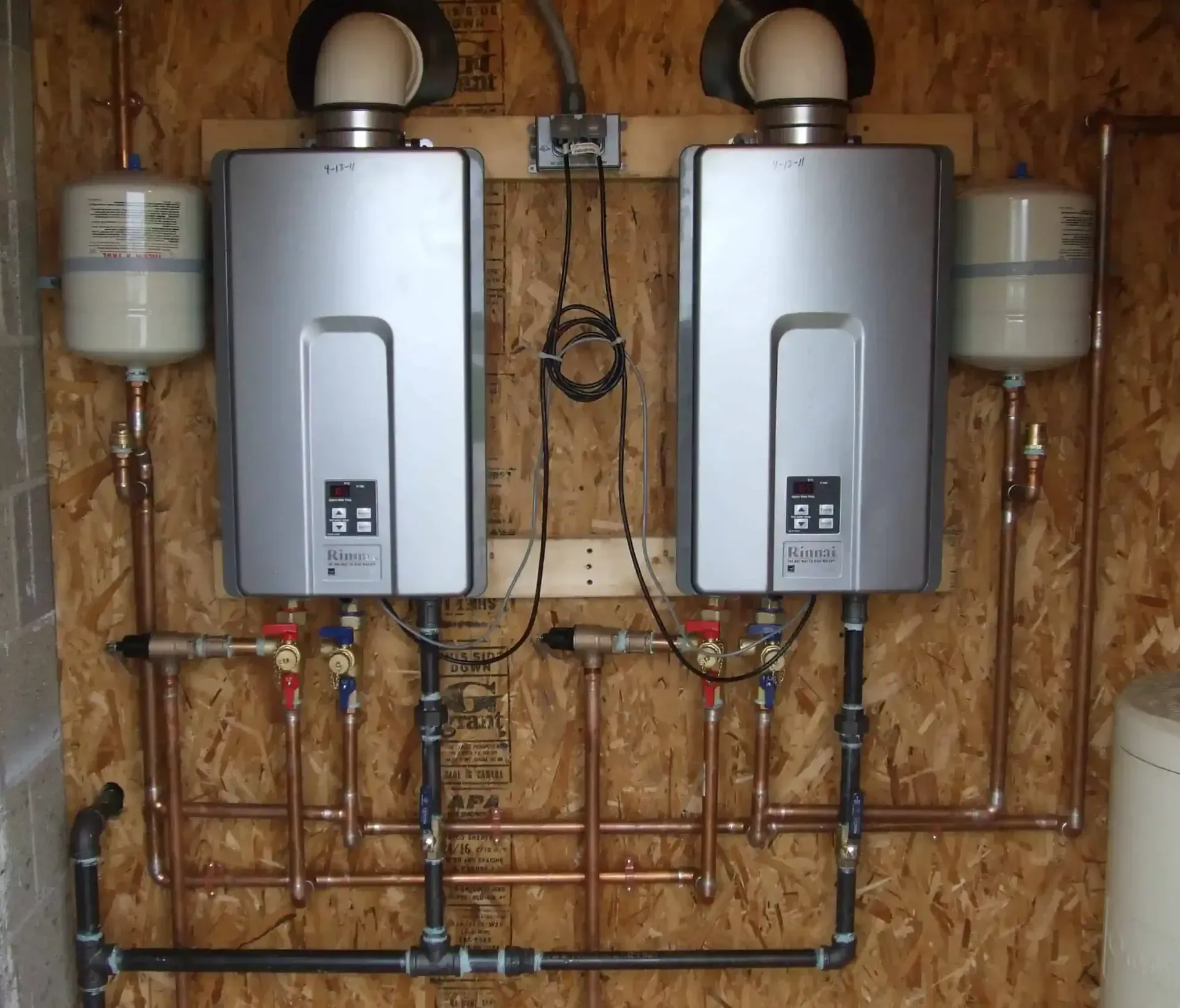
- Major water heater leaks
- Sewage backup
- No running water
- Rapidly spreading leaks
Why Acting Fast Matters
Water damage spreads quickly. Floors warp, walls weaken, and electrical systems can become dangerous. The faster you take action, the more you protect your home and lower repair costs. Even small steps make a big difference.
Step 1: Stay Calm and Assess the Situation
The first thing to do is breathe. A clear mind helps you notice what’s happening and respond safely.
Check for Immediate Danger
Look for:
- Water near electrical outlets
- Bulging ceilings
- Fast-rising water
- Sewage smells or visible waste
If something looks unsafe, step back and call for help. Safety always comes first.
Find the Source if You Can
Look around the area. Is the water coming from under a sink? A broken pipe? A toilet? The water heater? You don’t need to fix anything, just knowing the source helps your plumber act faster.
Step 2: Shut Off the Water Supply
Stopping the flow of water is the most important thing you can do during an emergency.
Turn Off the Main Water Valve
Most homes have the main shut-off:
- Outside near a hose bib
- Inside the basement or garage
- In a utility area
Turn the valve clockwise until it stops. This cuts off water to the whole house and keeps the damage from spreading.
Shut Off Individual Fixtures When Needed
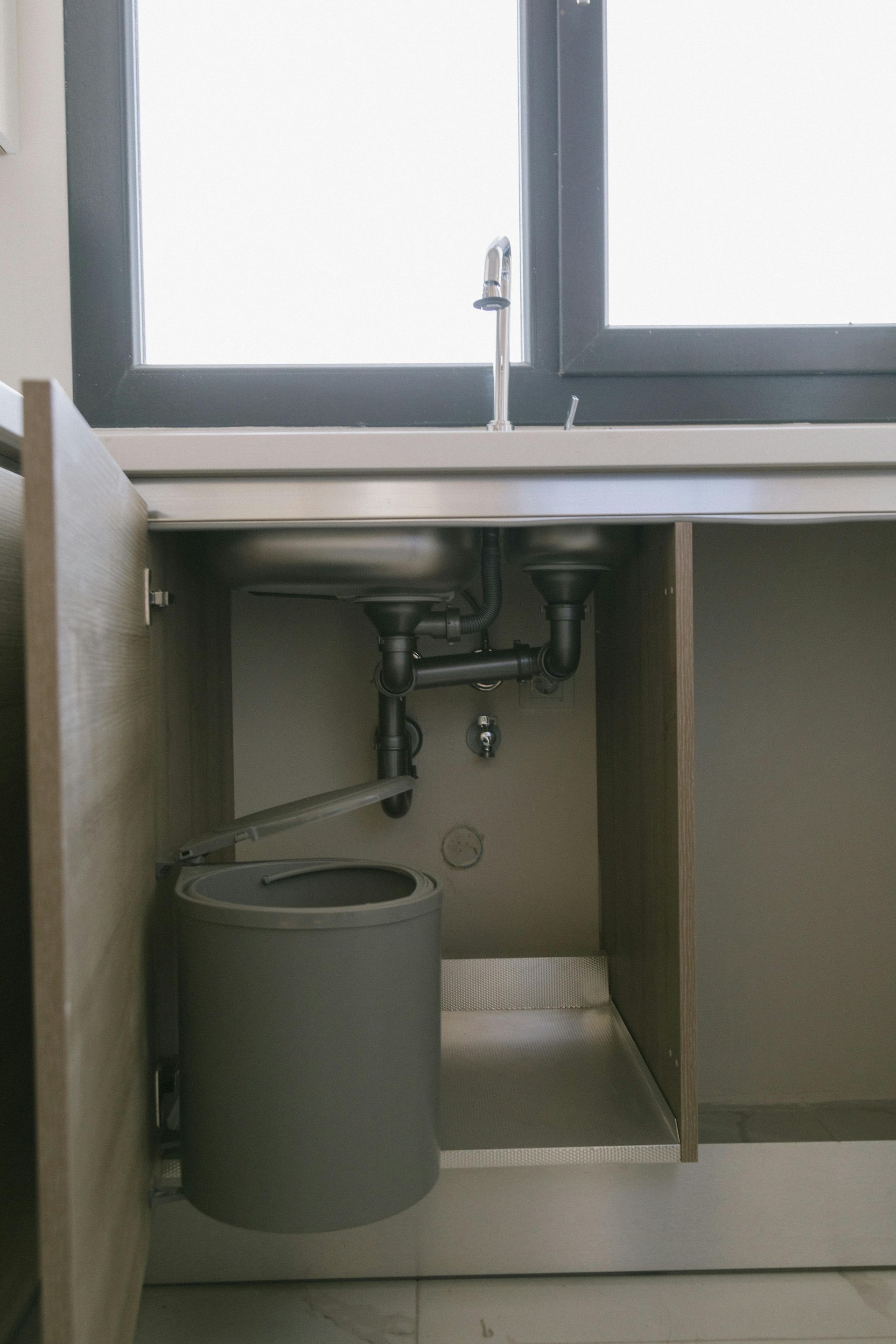
If the emergency is small, like a toilet overflowing or a leaking sink, turn off the valve under that fixture instead. These small valves work the same way, turn them clockwise to shut them off.
A Helpful Tip
Test your water valves at least twice a year. Valves that never get used can freeze, making them impossible to turn in an emergency.
Step 3: Minimize Water Damage Right Away
Even after the water is off, there may still be water dripping or sitting on surfaces. A few quick actions can protect your home.
Move Items Away from Water
Shift furniture, rugs, electronics, or anything valuable out of the wet area. Use towels to soak up standing water. Place buckets under active drips to prevent puddles from forming.
Be Careful With Electricity
If water is near outlets or appliances, turn off the breaker for that area of the house. Do NOT touch anything electrical if it’s wet.
What Not to Do
- Don’t use chemical drain cleaners
- Don’t heat wet areas with a space heater
- Don’t try to repair pipes you’re not familiar with
These actions can cause more damage or create safety risks.
Step 4: Relieve Pressure in Your Plumbing System
After shutting off the water, open cold water taps throughout the house to drain leftover water from the pipes. Flush toilets once to release pressure in those lines. This helps stop leaks and reduces the chance of more pipes bursting.
If you have outdoor faucets, open them too. They help drain the system faster.
Step 5: Handle Specific Emergencies the Right Way
Every plumbing emergency is different. Here’s what to do in some of the most common situations.
Burst Pipe
- Shut off water immediately
- Turn on faucets to drain pressure
- Wrap the broken pipe with a towel to slow the leak
Overflowing Toilet
- Turn the shut-off valve near the base of the toilet
- Remove the tank lid and push the flapper down if water is still rising
Water Heater Leak or Strange Noise
- Turn off water to the heater
- Turn off electricity or gas to the unit
- Do NOT attempt to drain it yourself
Sewage Backup
- Do not run any water in the home
- Keep people and pets away
- Sewage contains harmful bacteria, so avoid contact
Step 6: Document the Damage for Insurance
It may feel strange to grab your phone during an emergency, but documenting everything helps with insurance claims.
What to Take Photos or Video Of
- Water-affected areas
- Damaged belongings
- Pipe leaks or water heater leaks
- Any standing water
Why Documentation Helps
Insurance adjusters need to see the damage clearly. Photos and videos can speed up the claims process and help your plumber understand the full scope of the problem.
Step 7: Call an Emergency Plumber
Once the situation is under control, call a trusted professional.
Information to Share
- What happened
- Where the leak or problem is
- Whether the water is shut off
- How long it’s been going on
This helps your plumber arrive prepared with the right tools and parts.
Why a Reliable Plumber Matters
Emergency situations need quick and accurate work. A skilled plumber solves the problem safely, prevents long-term issues, and helps make repairs last.
How to Prevent Future Plumbing Emergencies
A little prevention goes a long way. Homeowners can avoid many emergencies by keeping up with simple maintenance.
Easy Prevention Tips
- Have an annual plumbing inspection
- Flush your water heater yearly
- Check pipes for corrosion
- Clean drains with safe methods
- Insulate exposed pipes
Why a Water Softener Helps
Hard water can damage pipes, shorten the life of appliances, and create buildup in your water heater. A water softener reduces these issues and keeps your system running smoothly.
When It’s Time to Replace Instead of Repair
Sometimes an emergency is a sign that something in your home’s plumbing system is too old or too damaged.
Signs Replacement Might Be Better
- Repeated leaks
- Rusty water
- Low water pressure
- Very old water heater
- Cracked or failing pipes
A professional plumber can guide you through the best choice for your home and budget.
Stay Ready and Stay Protected
Plumbing emergencies are stressful, but knowing what to do helps you stay in control. Quick action protects your home, reduces damage, and makes repairs faster and easier. Keeping these steps in mind and having a trusted plumber on call gives you peace of mind no matter what happens.
Blog
Book a Service Today
For more info on water softeners, water heaters and tankless water heaters Idaho Residents need, contact us today.