Eco-Friendly Plumbing Solutions: Reducing Your Carbon Footprint
In recent years, tankless water heaters have gained popularity among homeowners seeking efficient and cost-effective solutions for their hot water needs. Unlike traditional tank-style water heaters that store and continuously heat a large volume, tankless systems provide hot water on demand. This fundamental difference enhances convenience and offers significant long-term savings on energy bills and maintenance costs.
The Basics of Tankless Water Heaters
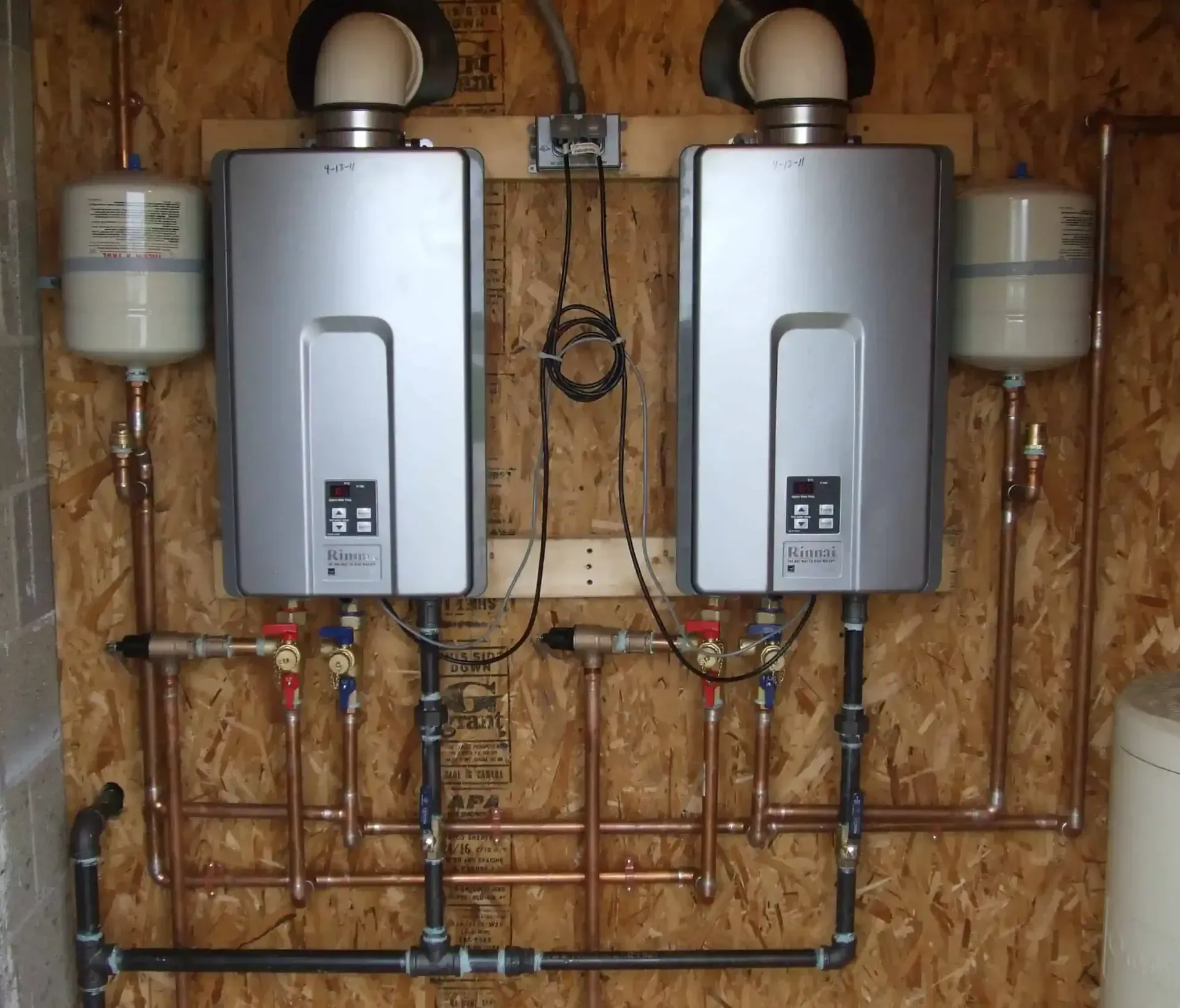
Tankless water heaters, often called on-demand or instantaneous, operate by heating water directly as it flows through the unit. When a hot water tap is turned on, cold water travels through a pipe into the heater, where gas burners or electric elements heat it. This process eliminates the need for a storage tank and allows for an endless hot water supply.
Energy Efficiency: The Key to Savings
One of the most compelling reasons to consider a tankless water heater is its energy efficiency. Traditional tank-style heaters maintain a reservoir of hot water, which requires constant energy consumption to keep the stored water at the desired temperature. This leads to standby heat loss, where energy is wasted on heating water that may not be used immediately.
In contrast, tankless systems only activate when there is a demand for hot water. This means they save energy, always heating a large volume of water. As a result, homeowners can experience substantial reductions in their energy bills. The efficiency of these systems can lead to significant savings over time, particularly for households that use less hot water daily.
Understanding Long-Term Energy Savings
The long-term savings associated with tankless water heaters primarily stem from their ability to reduce energy consumption. Because they only heat water when needed, these units can lead to lower utility bills compared to traditional models. Homeowners often report noticeable reductions in their monthly expenses after switching to a tankless system.
Additionally, many tankless models are designed with advanced technology that maximizes efficiency. Features such as modulating burners and intelligent controls allow these units to adjust their heating output based on real-time demand, further optimizing energy use.
Maintenance Costs: A Comparison
Another area where tankless water heaters shine is in maintenance costs. Traditional tank-style heaters require regular maintenance to ensure they operate efficiently. This includes flushing the tank periodically to remove sediment buildup and checking for leaks or corrosion. Such maintenance can be time-consuming and often requires professional assistance.
On the other hand, tankless systems generally require less frequent maintenance due to their design. Since there is no standing water in a tank, there is less risk of sediment accumulation that can affect performance. While some maintenance is still necessary—such as descaling the unit periodically to prevent mineral buildup—these tasks are typically less involved than those required for traditional tanks.
Moreover, tankless systems' longevity contributes to lower long-term costs. With proper care, these units can last significantly longer than traditional models, reducing the frequency of replacements and associated costs.
Space Efficiency: Additional Cost Benefits
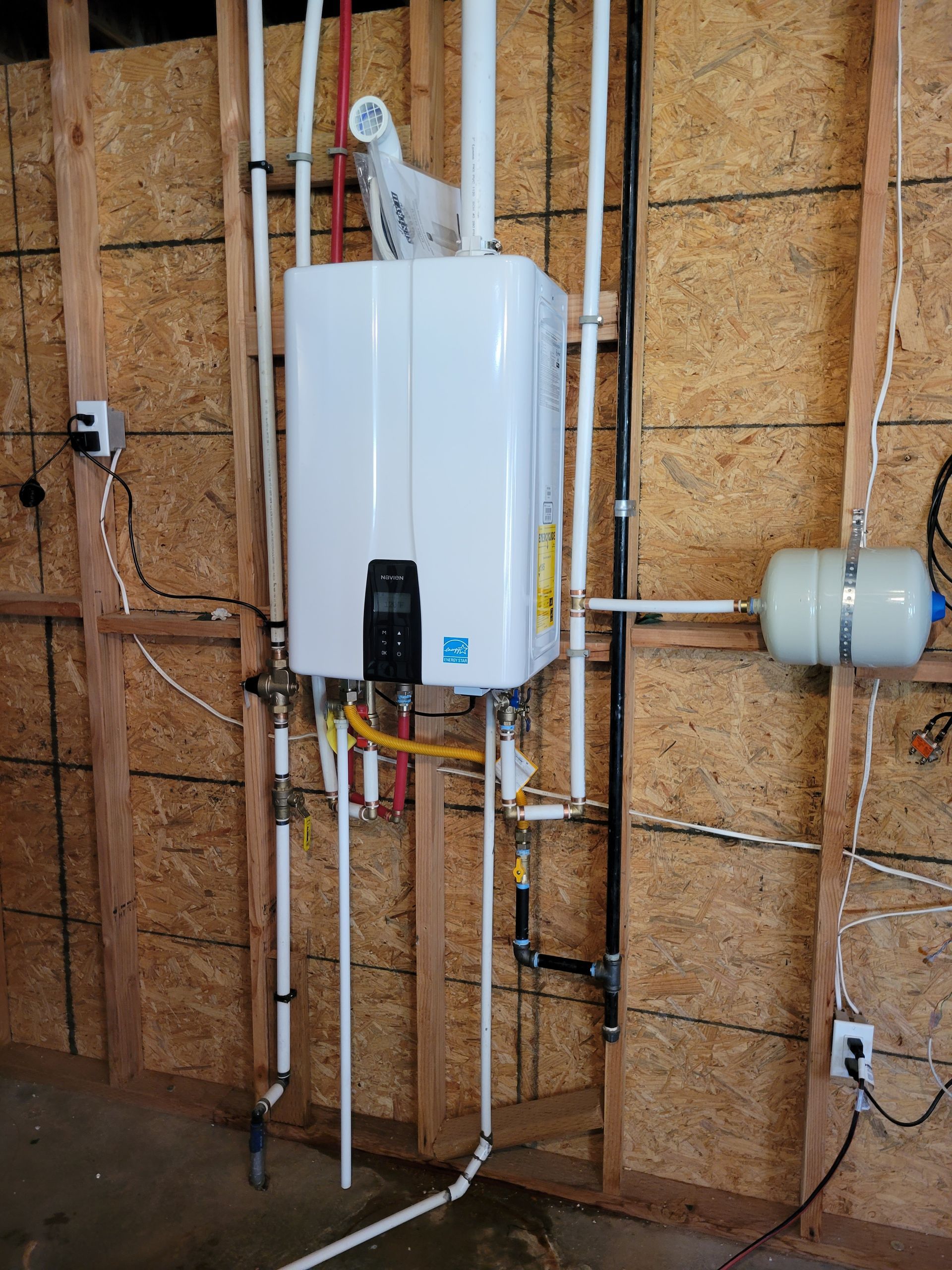
Beyond energy and maintenance savings, tankless water heaters offer additional financial advantages through their space-saving design. Traditional tanks are bulky and require considerable floor space in homes. In contrast, tankless units are compact and can be mounted on walls or installed in tight spaces such as closets or under sinks.
This space efficiency can lead to cost savings in other areas as well. For example, freeing up valuable square footage in your home may give you more storage options or even additional living space. This can be particularly beneficial in smaller houses or apartments where every square foot counts.
Environmental Impact: A Broader Perspective
While the focus here has been on financial savings, switching to a tankless system also has environmental benefits that can indirectly contribute to cost savings. By using less energy overall, homeowners reduce their carbon footprint and contribute to global efforts aimed at sustainability.
Many utility companies incentivize homeowners to choose energy-efficient appliances like tankless water heaters. These incentives can further offset initial installation costs and enhance overall savings.
The Importance of Professional Installation
While the benefits of tankless water heaters are clear, it's essential to emphasize the importance of hiring professionals for installation and maintenance. Proper installation is crucial for ensuring that the unit operates efficiently and safely.
Professional plumbers have the expertise to assess your home's specific hot water needs and recommend the right size and type of tankless system for your situation. They also understand local building codes and regulations, ensuring compliance throughout installation.
Additionally, professional maintenance services can help keep your system running smoothly over its lifespan. Regular check-ups performed by trained technicians can identify potential issues before they become costly problems.
Tankless water heaters present an excellent opportunity for homeowners looking to enhance comfort while achieving long-term savings on energy bills and maintenance costs. Their efficient operation minimizes wasteful energy consumption while providing an endless hot water supply—ideal for busy households.
Homeowners can make informed decisions about upgrading their hot water solutions by understanding the financial benefits associated with these systems—from reduced utility bills to lower maintenance requirements. However, it's crucial to engage professionals for installation and ongoing maintenance to ensure optimal performance and longevity of your investment.
Check out our services: Water Softeners & Treatment, Water Repair & Install, Tankless Water Heaters, Residential & Emergency Plumbing.
Blog
Book a Service Today
For more info on water softeners, water heaters and tankless water heaters Idaho Residents need, contact us today.