

Eco-Friendly Plumbing Solutions: Reducing Your Carbon Footprint
A good water heater is something most homeowners don’t think about until it suddenly stops doing its job. You expect hot water for showers, dishes, and laundry and when it’s gone, it becomes a real emergency. The best way to avoid a surprise breakdown is to understand how long a water heater usually lasts and what warning signs to look for. This guide breaks it all down in simple steps so you know exactly when it’s time to repair or replace your water heater.
How Long Does a Water Heater Normally Last?
Most water heaters last 8 to 12 years, depending on the type, the quality of your water, and how well the unit has been maintained. Some systems fail earlier, and others last longer, but the 8-12 year range is the average for most homes.
What Impacts Your Water Heater’s Lifespan?
Several things can shorten or extend the life of your system:
- Hard Water: Mineral buildup is one of the biggest reasons units fail early.
- Maintenance: Flushing your water heater yearly helps remove sediment.
- Water Use: Large families use more hot water, putting more strain on the system.
- Installation Quality: A poorly installed heater wears out faster.
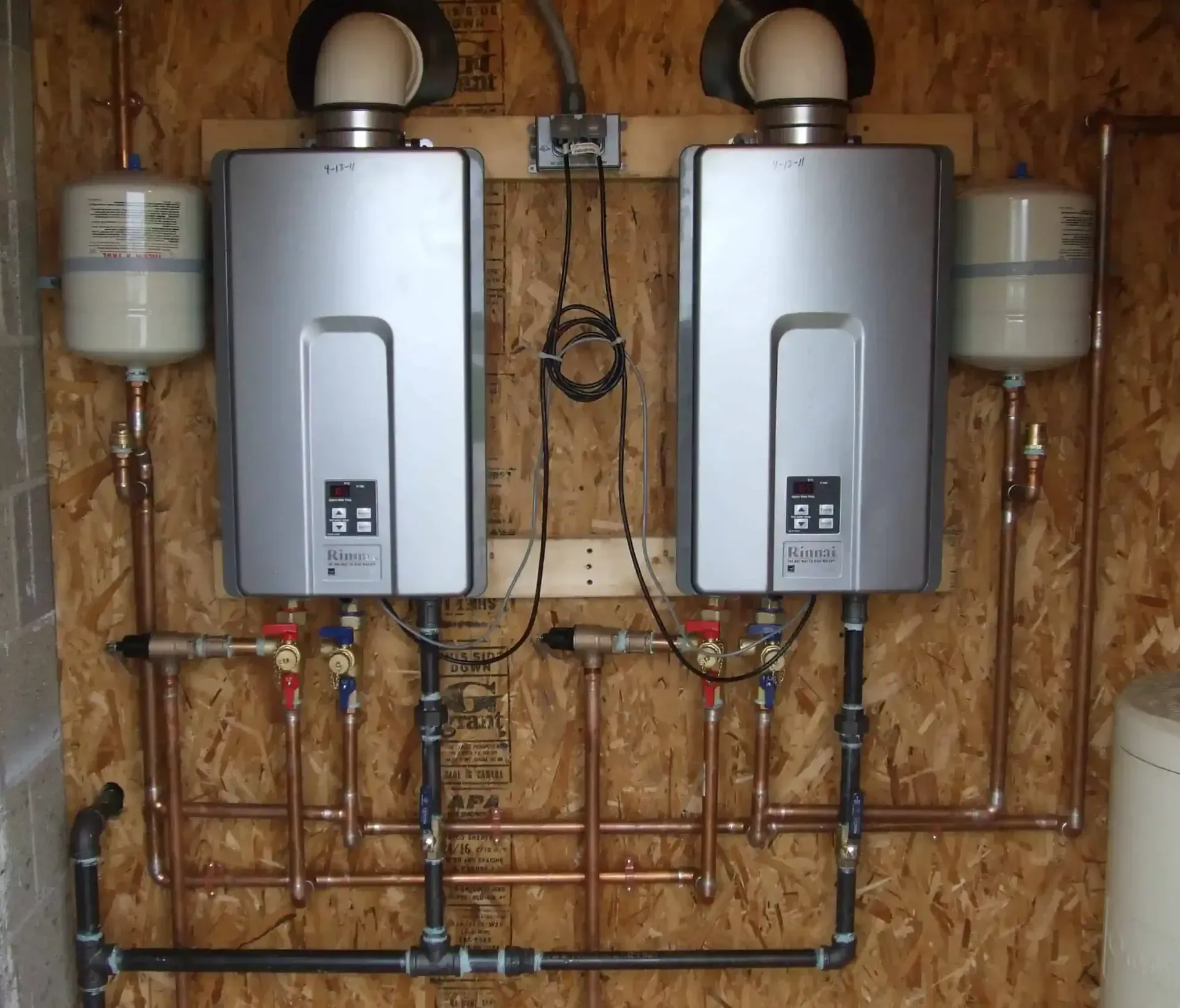
- Tank vs. Tankless: Tankless units can last up to 20 years with good care.
If you don’t know how old your water heater is, look at the sticker on the tank. The serial number usually includes the manufacturing date. If your unit is close to 10 years old, it’s smart to start watching for signs of trouble.
Why Water Heaters Wear Out Over Time
Your water heater works every day, heating and storing hot water for your house. Over time, minerals in the water settle in the bottom of the tank and create sediment. This layer forces the heater to work harder to warm the water, which causes strain on the system.
As sediment builds up, the tank becomes less efficient and more likely to crack or leak. This is why regular maintenance matters. A simple flush can help remove buildup and extend the life of the unit.
Hard water makes this problem worse because it contains large amounts of calcium and magnesium. If you live in a hard-water area, installing a water softener can protect your water heater and plumbing system.
Warning Signs Your Water Heater Is Reaching the End
Most water heaters don’t stop working without giving you hints first. Recognizing these signs early can help you avoid surprise failures, leaks, or expensive emergency visits.
1. Your Water Heater Is More Than 8–10 Years Old
Age alone is one of the biggest clues. Even if the unit still seems to work, older heaters are more likely to fail suddenly. Once your system hits the 10-year mark, it’s smart to start planning for a replacement.
2. Water Isn’t Staying Hot as Long
If your showers get cold quickly, or it takes longer for hot water to reach your sink, your water heater might be losing efficiency. Sediment buildup reduces space inside the tank and makes heating slower.
3. You Hear Rumbling or Popping Noises
Strange noises usually mean there’s a layer of hardened sediment inside the tank. As the heater warms up, the trapped sediment shifts and makes popping or rumbling sounds. This is a major sign your water heater is struggling.
4. Water Looks Rusty or Cloudy
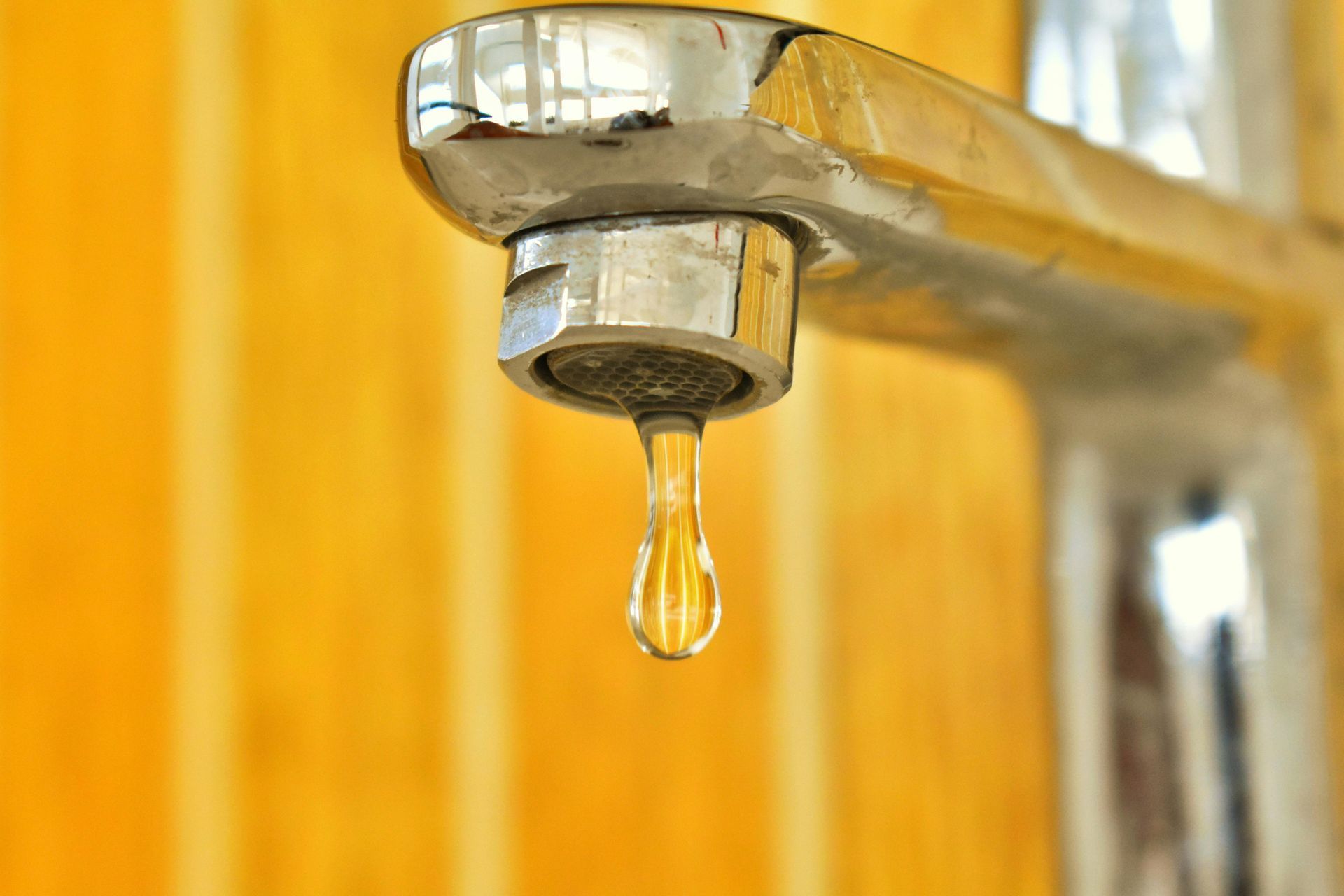
If the hot water from your faucet looks rusty, dirty, or cloudy, the inside of your water heater may be corroding. Rust weakens the tank and leads to leaks once corrosion starts, replacement is usually the only option.
5. There’s a Leak or Moisture Around the Tank
Even a small drip can quickly become a major flood. Leaks often mean the tank has expanded and cracked from age or pressure. Once the tank itself is damaged, repairs are not possible, it must be replaced.
6. Hot Water Has a Metallic Smell or Taste
A metal-like smell or taste in your hot water can signal that the inside of the tank is breaking down. This is another sign of corrosion and usually means the heater is close to failure.
7. Frequent Repairs Keep Adding Up
If you’re calling a plumber more than once a year to fix your water heater, it may be more cost-effective to replace it. Repeated repairs are a clear sign the unit is wearing out.
When Should You Repair Instead of Replace?
Not every issue means your water heater is done for good. Some problems can be fixed quickly and affordably.
Repairs Make Sense When:
- The system is less than 7 years old
- The issue is a simple part replacement
- The problem is caused by a minor leak in a pipe, not the tank
- The thermostat or heating element has failed, not the whole unit
Your plumber can diagnose the issue and explain your options. A simple repair can often extend the life of a newer unit.
When Replacement Is the Better Choice
Sometimes repair isn’t worth the cost or effort. Replacement is a smarter choice when:
- The tank is leaking
- The unit is 10–12+ years old
- The water heater needs frequent repairs
- The water looks rusty even after flushing the tank
- The heater can no longer keep up with your home’s hot water needs
Replacing an old system can also save you money in the long run. Newer units are more energy-efficient, heat water faster, and require fewer repairs.
How to Make Your Water Heater Last Longer
A little maintenance goes a long way. These simple steps can add years to your water heater’s life.
1. Flush the Tank Once a Year
This removes sediment and improves efficiency.
2. Test the Pressure Relief Valve
A working valve prevents dangerous pressure build-up.
3. Insulate the Tank
A water heater blanket helps reduce heat loss and lowers energy costs.
4. Install a Water Softener
This reduces sediment and protects pipes, fixtures, and appliances.
5. Schedule Annual Plumbing Check-Ups
A trained plumber can spot problems before they turn into major repairs.
Doing these small things can help you avoid emergency breakdowns and make your water heater last as long as possible.
Don’t Wait for a Cold Shower to Take Action
Your water heater works hard every day, and like any appliance, it has a lifespan. Knowing the age of your system and watching for warning signs gives you time to plan ahead instead of being surprised by a sudden failure. If your water heater is showing signs of age, leaking, or struggling to keep up, it might be time to talk to a trusted plumber about your options.
Staying informed and proactive is the best way to protect your home, your comfort, and your budget.
Blog
Book a Service Today
For more info on water softeners, water heaters and tankless water heaters Idaho Residents need, contact us today.