

Eco-Friendly Plumbing Solutions: Reducing Your Carbon Footprint
Water quality plays a crucial role in the longevity and efficiency of your plumbing system. While it’s easy to overlook what’s flowing through your pipes, the composition of your water can significantly impact everything from pipe integrity to appliance performance. Understanding how local water quality affects your plumbing—and what you can do about it—can save you time, money, and future headaches.
How Water Quality Affects Your Plumbing
Water is never just H₂O—it often carries minerals, chemicals, and other impurities that can alter its effects on your plumbing system. Here are some of the most common water quality issues and their impact on pipes and fixtures.
1. Hard Water and Mineral Buildup
Hard water contains high levels of dissolved minerals, primarily calcium and magnesium. Over time, these minerals form deposits known as scale, which can cause significant problems for your plumbing.
Effects of Hard Water:
- Clogs pipes and reduces water flow.
- Decreases efficiency of water heaters and other appliances.
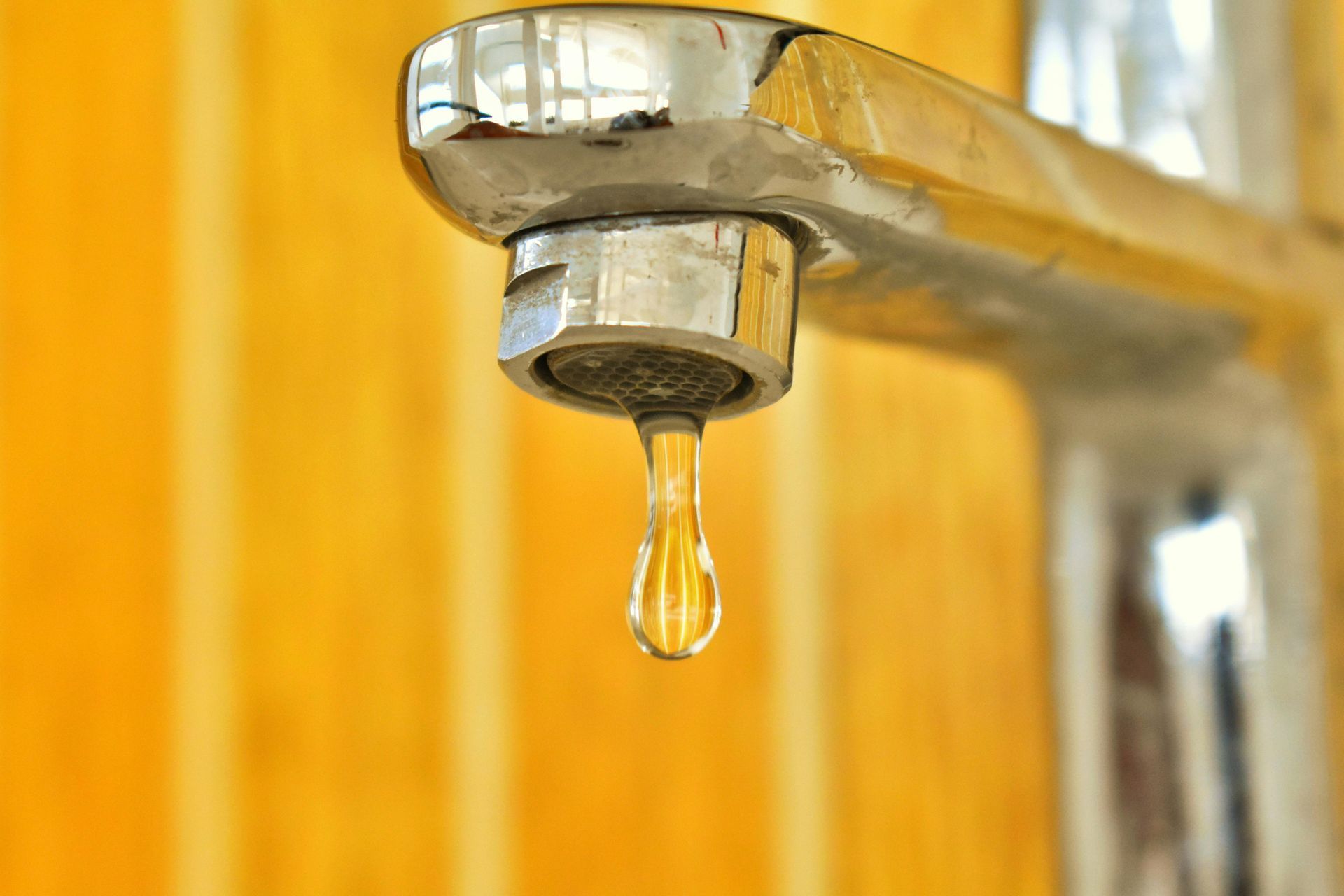
- Causes buildup in faucets, showerheads, and fixtures.
- Leaves unsightly spots on dishes and glass surfaces.
Solution:
- Install a water softener to remove excess minerals and prevent scale buildup.
- Regularly clean faucets and showerheads with vinegar to dissolve deposits.
- Flush your water heater periodically to prevent sediment accumulation.
2. Corrosive Water and Pipe Damage
If your water has a low pH (acidic) or contains excessive dissolved oxygen, it can lead to pipe corrosion. This issue is particularly problematic for homes with older copper or steel pipes.
Signs of Corrosive Water:
- Green or blue stains in sinks and bathtubs (indicating copper pipe corrosion).
- Rust-colored water from iron pipe deterioration.
- Frequent pinhole leaks in plumbing lines.
Solution:
- Use a neutralizing filter to balance the pH level of your water.
- Replace corroded pipes with more resistant materials like PEX or PVC.
- Install corrosion-resistant fittings to prevent further deterioration.
3. Chlorine and Chemical Contaminants
Municipal water supplies often contain chlorine and chloramines to disinfect against bacteria. While these chemicals make water safe to drink, they can also adversely affect your plumbing.
Effects of Chlorinated Water:
- Breaks down rubber components in faucets and appliances.
- Causes wear and tear on pipes over time.
- It can give water an unpleasant taste and odor.
Solution:
- Install a carbon filtration system to remove chlorine and improve water quality.
- Use chlorine-resistant fittings and plumbing components.
- Consider whole-house filtration for comprehensive protection.
4. Sediment and Debris
If your water source has high sediment levels—such as sand, rust, or dirt—it can lead to clogged pipes, faucet aerators, and appliance damage.
Signs of Sediment Problems:
- Reduced water pressure due to blockages.
- Cloudy or discolored water from excess particles.
- Frequent clogging of washing machines, dishwashers, and water heaters.
Solution:
- Install a sediment filter at the main water entry point.
- Flush your pipes periodically to clear out accumulated debris.
- Check and clean faucet aerators and appliance filters regularly.
5. Bacteria and Contaminants
Sometimes, well or improperly treated municipal water can contain bacteria, viruses, or other harmful microorganisms.
Health Risks and Plumbing Impact:
- Biofilm formation inside pipes leads to clogs and water contamination.
- Potential spread of illness if pathogens enter your drinking water.
- Bacteria cause unpleasant odors and tastes.
Solution:
- Install a UV water purification system to kill bacteria and viruses.
- Use a reverse osmosis system for safe drinking water.
- Regularly test your water for contamination and treat it accordingly.
Why You Should Hire a Professional Plumber
Ensuring high water quality requires more than just installing filters—it involves understanding your water conditions and implementing the right solutions. A professional plumber can assess your water quality, recommend effective treatment systems, and ensure proper installation to protect your plumbing system.
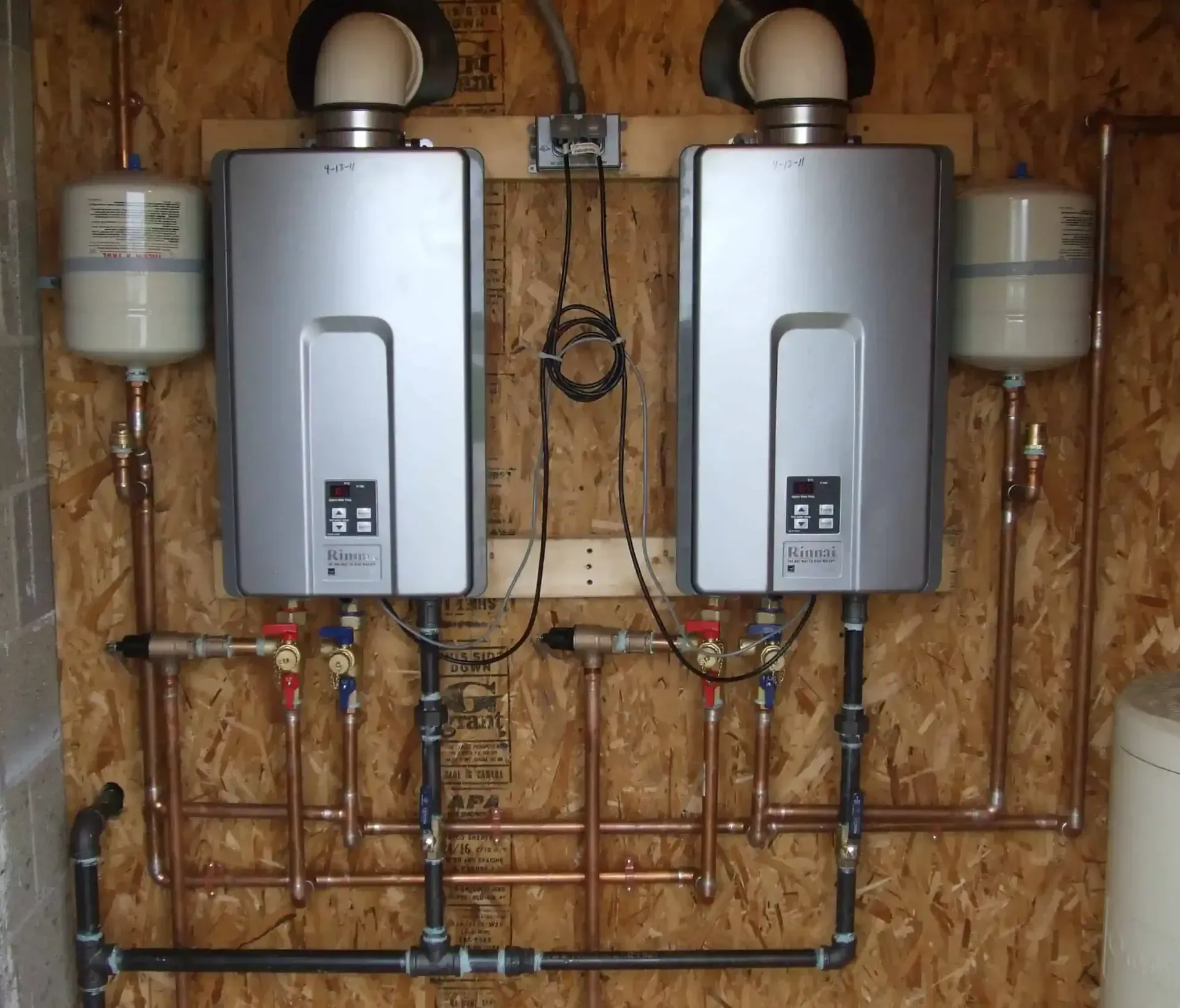
Check out our services: Water Softeners & Treatment, Water Repair & Install, Tankless Water Heaters, Residential & Emergency Plumbing.
Blog
Book a Service Today
For more info on water softeners, water heaters and tankless water heaters Idaho Residents need, contact us today.